

Needing a new roof is already a major home-maintenance decision. When solar panels are mounted above the shingles, homeowners also have to plan how the solar system will be handled before, during and after the roofing work.
The panels should not be treated as ordinary rooftop accessories. A roof replacement with an existing solar array usually requires coordination between the roofing contractor, the solar-system owner or provider and the qualified professionals responsible for removing and reinstalling the solar equipment.
HopeStar Roofing recently completed a Lowcountry roof-replacement project involving a 29-panel solar system. The project reinforced a practical lesson: early coordination is one of the best ways to prevent the roofing schedule from stalling while everyone waits for the next crew.
Here is what homeowners in Summerville, Goose Creek, North Charleston, Charleston and nearby communities should know before scheduling this type of project.
Do Solar Panels Need to Be Removed for a Roof Replacement?
For a full replacement of the roof area beneath an existing solar array, the panels and associated mounting components normally need to be moved so the roofer can remove the old roofing and install the new system correctly. Tesla describes removal and reinstallation as temporarily removing panels or an entire system and reinstalling it after reroofing, remodeling or relocation.
The exact scope depends on the solar design and which roof sections are being replaced. A small roofing repair away from the array may be different from a complete tear-off beneath the panels. The roofing contractor and solar provider should review the actual layout rather than assume that every project is the same.
HopeStar handles the roof inspection, roofing scope and roof installation. Electrical disconnection, panel removal, storage, reinstallation and recommissioning should be completed by the appropriate solar provider or qualified solar professional. Keeping those responsibilities clear protects the homeowner and prevents confusion about who is accountable for each part of the work.
Start With the Solar Agreement and Installer
Before choosing dates, locate the paperwork for the existing solar system. Determine whether the equipment is owned, financed, leased or covered by a power-purchase agreement. The contract may identify who is authorized to work on the panels and whether advance approval is required.
Contact the original installer or current system provider early. Ask who can perform the removal and reinstallation, what their scheduling process looks like, and what documentation they require from the roofer. Manufacturer support procedures can vary. Tesla, for example, directs its customers through a specific removal-and-reinstallation request and recommends beginning well in advance because timing depends on scope and crew availability.
Do not assume the roofer can simply move the panels or that any solar company can work on the system without affecting an agreement or warranty. Get those answers in writing before the roof installation date is locked in.
A Real HopeStar Project Involving 29 Solar Panels
On a recent HopeStar roof replacement in the Lowcountry, the home had 29 solar panels. Those panels had to be accounted for in the project sequence so the roofing work could be completed and the solar equipment could be returned afterward.
The customer’s private details, address, claim information and financial documents are not part of this article. The useful public lesson is the workflow: a solar-covered roof needs more coordination than a roof with no panels.
The solar removal and reinstallation was tracked separately from the roofing work. That distinction helps the homeowner understand the two scopes and helps each professional focus on the work they are qualified and contracted to perform.
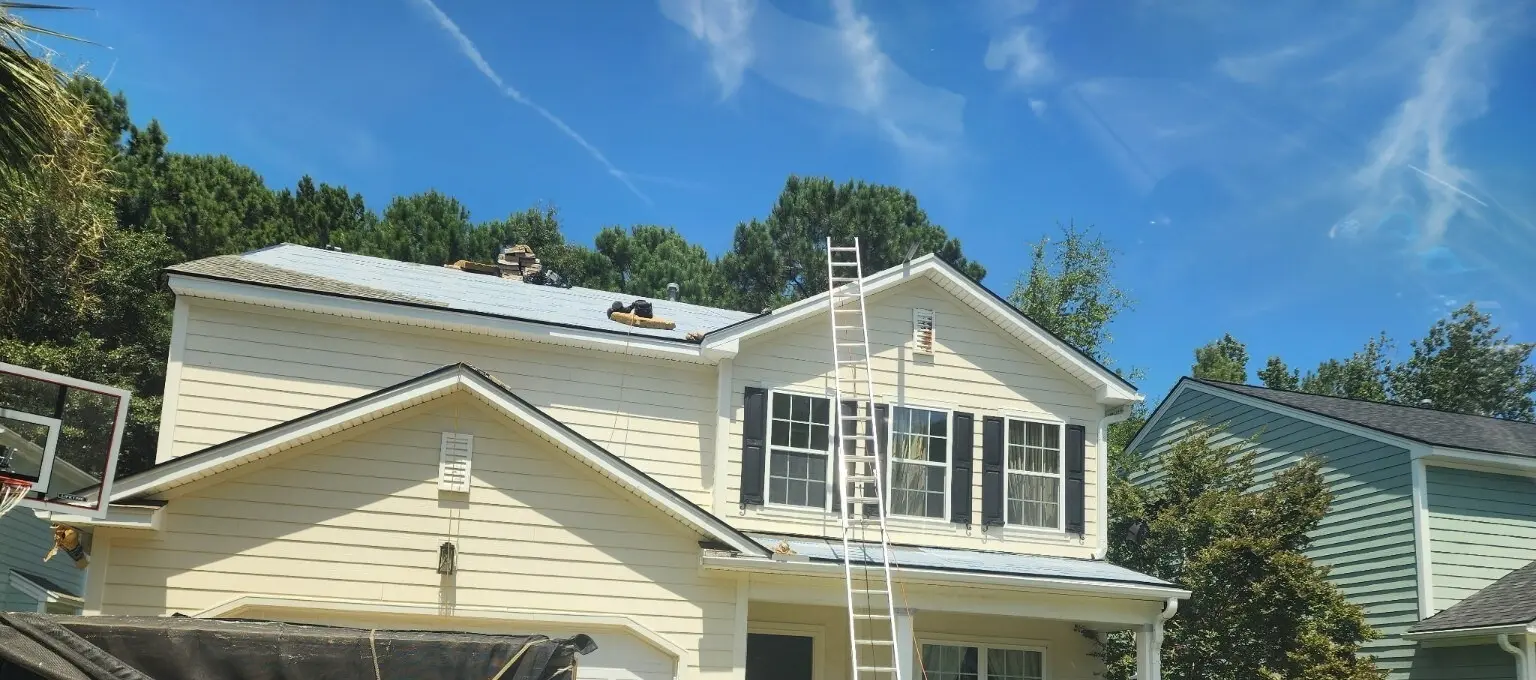
For HopeStar, the roofing sequence still centered on the fundamentals: access to the roof surface, removal of the existing roofing, evaluation of the exposed deck, completion of the approved roofing scope, property protection and cleanup. The solar schedule had to fit around that work rather than overlap it unpredictably.
Plan the Handoff Between the Roofing and Solar Crews
A smooth project usually has three clearly defined stages:
- Solar removal: The authorized solar professional safely takes the affected system out of service and removes the panels and necessary mounting components.
- Roofing work: Once the roof is accessible, the roofing crew completes the approved tear-off, deck work and new roof installation.
- Solar reinstallation: After the roofer confirms the roof is ready, the solar professional reinstalls the equipment and completes the system checks required by that provider.
The homeowner should know who gives the go-ahead at each handoff. The solar crew needs a confirmed removal date. The roofer needs confirmation that the work area is clear. The solar provider then needs notice when the finished roof is ready for reinstallation.
Weather and concealed roof conditions can change a schedule, so every party should have current contact information. Building in a little flexibility is better than scheduling crews so tightly that one rain delay disrupts the entire sequence.
Questions to Ask Before Work Begins
Ask the roofing contractor:
- Which roof sections need replacement?
- When must the panels be removed?
- How will the exposed roof deck be evaluated?
- How will the roof be protected if weather interrupts the work?
- When will the roof be ready for the solar crew to return?
- Who is the day-to-day project contact?
Ask the solar provider:
- Who is authorized to remove and reinstall this system?
- Does the existing contract contain service or warranty requirements?
- What equipment will be removed, stored or replaced?
- How far ahead must the work be scheduled?
- Who verifies that the system is operating after reinstallation?
- What paperwork will the homeowner receive?
These conversations should happen before material delivery and crew scheduling. A clear written scope from each company is easier to compare and manage than verbal assumptions.
What Can Affect the Schedule and Cost?
The roofing estimate and the solar removal-and-reinstallation proposal are separate scopes. The final schedule and cost can vary with the number of panels, array layout, system type, roof size and complexity, access, necessary deck work, weather and crew availability.
HopeStar does not publish a one-price-fits-all number because it would not be reliable for every home. A house with panels on one simple roof plane may require a different plan from a home with multiple arrays, steep slopes or equipment spread across several sections.
Homeowners should also ask how the solar equipment will be stored between removal and reinstallation. If the panels will remain off the roof for more than a brief period, confirm who is responsible for secure storage and how the equipment will be documented.
What Happens After the Panels Are Reinstalled?
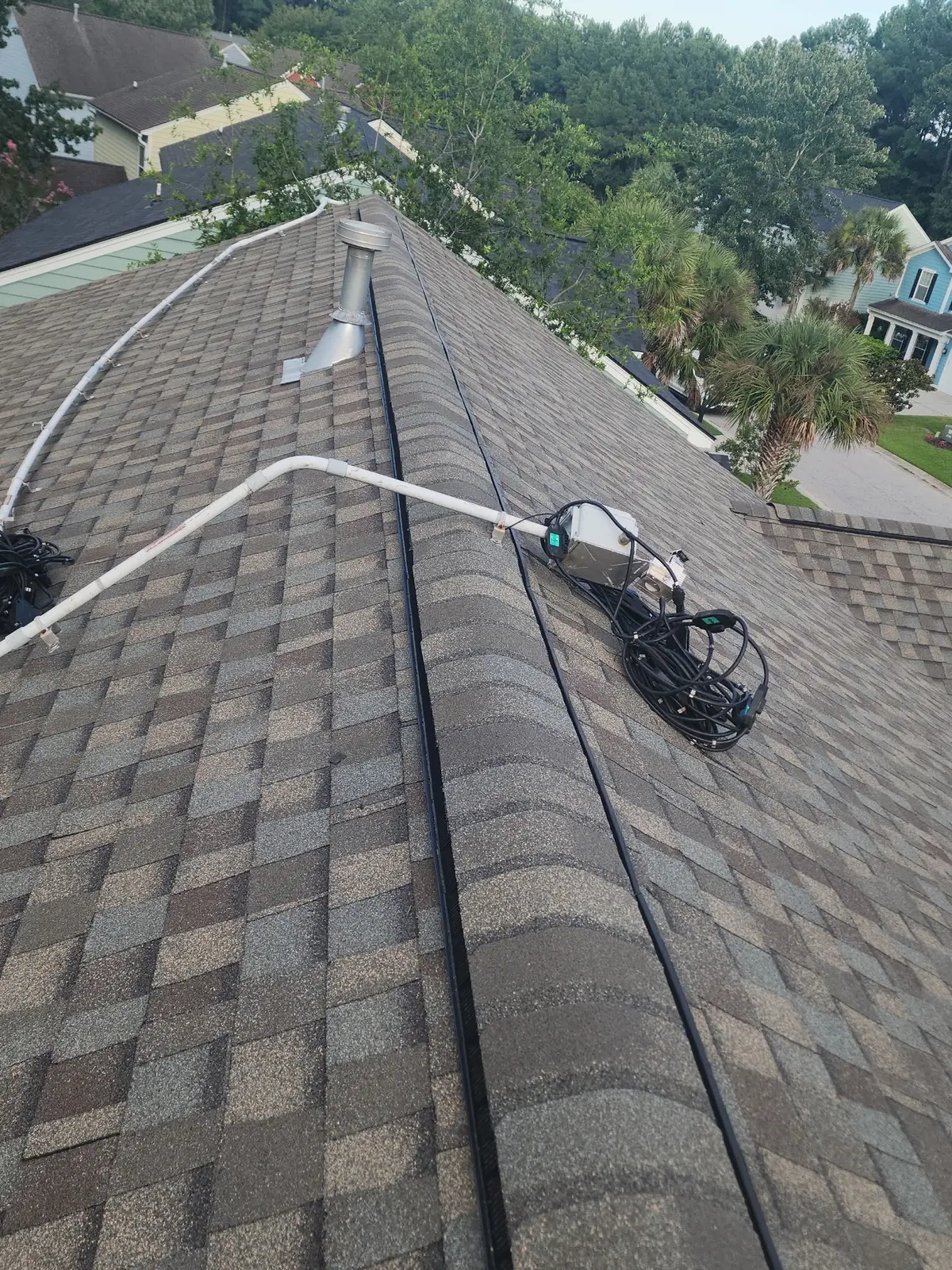
The solar provider should confirm the appropriate post-installation checks and explain how the homeowner can verify system operation. Do not rely only on seeing the panels back on the roof. Follow the provider’s instructions for monitoring production, reviewing alerts and obtaining service if the system does not return to expected operation.
It is also useful to keep the final roofing documents, solar service records and dated project photographs together. Those records can help with future maintenance, warranty questions or a home sale.
The roofer and solar professional have different closeout responsibilities. HopeStar can complete the roofing walkthrough and address questions about the new roof. The solar provider should answer questions about electrical connections, panel performance and system monitoring.
Request a Roof Inspection From HopeStar Roofing
If your Lowcountry home has solar panels and the roof is leaking, aging or showing storm-related concerns, start with a thorough roof inspection. HopeStar Roofing can evaluate the roof, explain whether repair or replacement appears appropriate and prepare a clear roofing estimate based on the property.
We will also identify where solar coordination affects the roofing plan so you can speak with the system provider before installation dates are committed. HopeStar does not represent itself as the solar-system contractor; our role is to complete the roofing work and communicate the handoffs clearly.
Call (843) 999-8239 or use HopeStar Roofing’s online contact form to request a roof inspection or replacement estimate in Summerville, Goose Creek, North Charleston, Charleston or a nearby South Carolina Lowcountry community.